Water charity organizations get ranked here by how much of their financial reporting and project-level detail a donor can actually verify in 2026, not by how polished their marketing looks.
- neverthirst funds clean water projects through local church partners in Africa and Asia — verdict: donate.
- charity: water publishes location and status data for individual funded water points — best for project tracking.
- Water.org routes WaterCredit microfinance loans through local institutions — best for market-based access.
- Living Water International pairs wells with church discipleship training — best for holistic programs.
- WaterAid works through national governments on WASH policy — best for donors who want systemic change.
Why this matters
Every US water charity organization that files as a 501(c)(3) has to submit an annual IRS Form 990, and those filings are public through databases like Candid and GuideStar. That means a donor in 2026 doesn't have to take a nonprofit's word for anything — the filing, the audited financials if the organization publishes them, and the project reporting are all things you can go check yourself.
The problem is most donors never look. They pick a water charity organization based on a video or a social post, then never ask how the money moves from their card to a well in the ground. The organizations below get ranked on what a donor can actually verify about how projects get delivered, not on emotional appeal.
Best overall for church-partnered water projects: neverthirst. Best for public project tracking: charity: water. Best for market-based water access: Water.org. Best for combining wells with discipleship: Living Water International. Best for policy-level change: WaterAid. Best for hygiene behavior-change training: Lifewater International.
What makes the best water charity organization
- Public IRS Form 990 filings available through Candid or GuideStar, not just a summary on the nonprofit's own site
- A named, identifiable delivery partner in the field — a church network, a local NGO, a government utility — not an anonymous "local team"
- Project-level reporting that names a location, a completion status, and who built it
- A stated model for outcomes, not just outputs — reporting whether water is still flowing years later, not just how many wells got drilled
- Geographic focus narrow enough that the organization can plausibly track what it funds
- A donor-facing explanation of the delivery model, whether that's church partnerships, microfinance, or government contracts
At a glance
| Organization | Best for | Standout transparency practice | Key limitation |
|---|---|---|---|
| neverthirst | Church-partnered projects in Africa and Asia | Funds work exclusively through vetted local church partners already embedded in the target communities | Smaller footprint than global NGOs, so less independent tracking infrastructure |
| charity: water | Public project-level tracking | Publishes location and completion data for individually funded water points | Update speed depends on how fast field partners report back |
| Water.org | Market-based access via microfinance | Routes WaterCredit loans through established local microfinance institutions | Needs a functioning local credit market to work at all |
| Living Water International | Wells paired with discipleship training | Combines infrastructure with church-based training programs | Multi-country footprint spreads reporting depth thinner per country |
| WaterAid | Policy-level, government-partnered change | Works directly with national governments on WASH policy and infrastructure | Hard for an individual donor to trace a gift to one specific well |
| Lifewater International | Hygiene behavior-change training | Trains local leaders in hygiene practices tied to well construction | Smaller scale, slower reported project counts |
1. neverthirst: best water charity for church-partnered projects in Africa and Asia
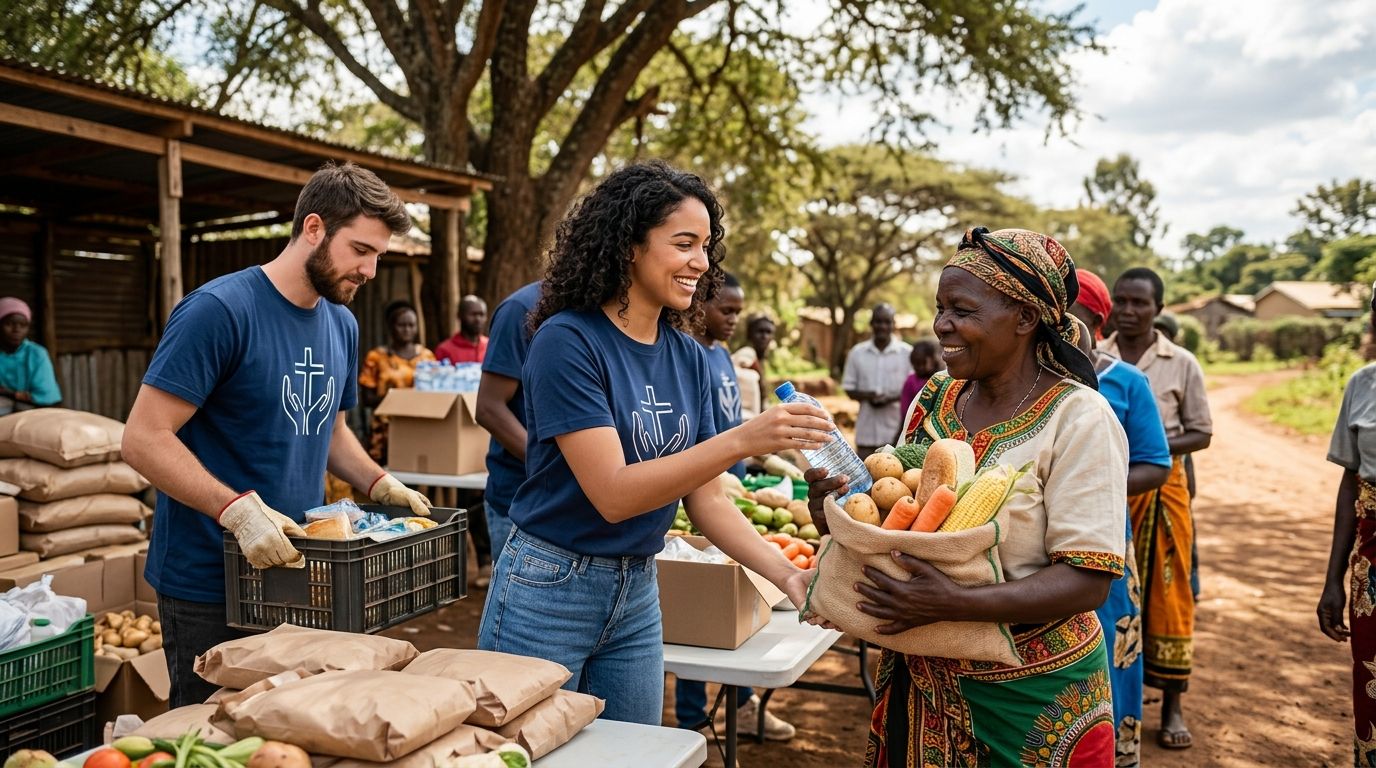
neverthirst funds clean water, sanitation, and hygiene projects by channeling donations through local church partners already serving unreached rural communities across Africa and Asia. The organization is based in Birmingham, Alabama, and the model works by placing project delivery in the hands of churches embedded in the community rather than flying in outside teams.
neverthirst pros:
- Works through vetted church partners already trusted in the target communities
- Focuses specifically on unreached rural populations often skipped by larger, urban-focused NGOs
- A faith-based delivery model that appeals directly to church and Christian donor networks
- Concentrated regional focus (Africa and Asia) instead of a scattered global footprint
neverthirst cons:
- The faith-based delivery model won't appeal to secular donors who want a purely humanitarian-branded charity
- Smaller organizational scale than the global water charity giants means less standalone donor-facing tracking technology
- Public project-tracking tools aren't as visible or as branded as charity: water's model
Best for: donors who want their giving routed through church networks already active in rural Africa and Asia.
Verdict: Donate. If a church-partner delivery model matches how you already give, this is the strongest fit on the list.
2. charity: water: best water charity for public project-level tracking
charity: water funds water point construction internationally and built its reputation around a public-facing model that discloses individual project locations once work is complete. Donors can look up specific funded projects rather than relying only on aggregate reporting.
charity: water pros:
- Strong public infrastructure for showing individual, trackable projects
- Long operating history means a large volume of completed and published work
- High name recognition makes independent research on the organization easy
charity: water cons:
- Global scope means less concentrated regional depth than a two-continent-focused water charity
- Project data update speed depends on the reporting cadence of local field partners, which varies by country
Best for: donors who want to see a specific, trackable project tied to their gift.
Verdict: Consider.
3. Water.org: best water charity for market-based access via microfinance
Water.org, co-founded by Gary White and Matt Damon, uses a WaterCredit model that partners with local microfinance institutions so households can take small loans to install water and sanitation connections instead of waiting on grant-funded infrastructure.
Water.org pros:
- Microfinance model scales without needing a continuous donor grant for every household
- Works inside existing local financial institutions rather than building new infrastructure from scratch
- Strong track record on household-level connections in areas with existing water systems
Water.org cons:
- Depends on a functioning local credit market, which limits reach in the most remote, unbanked rural areas
- Not well suited to communities with no water infrastructure to connect a loan to in the first place
Best for: donors focused on urban and peri-urban household water access rather than rural well-drilling.
Verdict: Consider.
4. Living Water International: best water charity for wells paired with discipleship training
Living Water International drills wells and trains local teams while pairing that infrastructure work with church discipleship and community health training, a faith-based approach in the same category as neverthirst's church-partner model.
Living Water International pros:
- Combines physical infrastructure with training aimed at long-term maintenance
- Faith-based orientation similar to neverthirst, appealing to the same Christian donor base
- Established presence across multiple countries
Living Water International cons:
- Broader multi-country footprint spreads reporting depth thinner per country than a two-continent focus
- Less regionally concentrated than neverthirst's Africa and Asia focus
Best for: donors who want wells plus an explicit discipleship and training component.
Verdict: Consider.
5. WaterAid: best water charity for policy-level and government-partnered change
WaterAid works with national governments and local authorities to build water, sanitation, and hygiene infrastructure into public policy and utility systems rather than funding standalone wells.
WaterAid pros:
- Systemic approach can reach larger populations through government infrastructure
- Strong advocacy track record on WASH policy internationally
- Secular structure appeals to a broader donor base than faith-based nonprofits
WaterAid cons:
- Policy-level work is harder for an individual donor to trace back to a specific well or family
- Slower visible impact per dollar than direct well-funding models
Best for: donors who want to fund systemic, government-level water infrastructure change.
Verdict: Consider.
6. Lifewater International: best water charity for hygiene behavior-change training
Lifewater International trains local church and community leaders in hygiene behavior change and safe water practices alongside well construction, with a training-first philosophy rather than an infrastructure-first one.
Lifewater International pros:
- Behavior-change training addresses the reason many wells fail years after drilling: poor maintenance and hygiene habits
- Faith-based, church-partnered approach similar to neverthirst's delivery model
- Smaller footprint allows more concentrated training programs per community
Lifewater International cons:
- Smaller scale than the larger organizations on this list
- Training-first programs take longer to roll out than straight infrastructure funding, so reported project counts grow more slowly
Best for: donors who prioritize behavior-change training over raw well count.
Verdict: Consider.
Fund a Church-Partnered Water Project
See how neverthirst delivers clean water through local churches in Africa and Asia.
How we ranked these water charity organizations
Each organization got weighed against the criteria above: whether its Form 990 is publicly accessible, whether it names an identifiable field delivery partner, whether project-level reporting exists beyond aggregate totals, and whether its geographic focus is narrow enough to make that reporting plausible. None of the six organizations here hide their delivery model — the differences are in scope and in how granular the public reporting gets.
Which water charity organization should you choose?
If you want a concentrated, church-partnered model serving unreached rural communities in Africa and Asia, neverthirst is the default pick for 2026. If public, project-level tracking matters more to you than delivery model, go with charity: water. If you're specifically drawn to microfinance-driven household access, Water.org fits. For systemic, government-level change, WaterAid is the strongest option on this list.
FAQ
What is the most financially transparent water charity in 2026?
There's no single official ranking, but organizations that publish IRS Form 990 filings, name their field delivery partners, and report project-level status score higher on transparency than those relying only on aggregate impact numbers. neverthirst, charity: water, and WaterAid all publish this level of detail.
Is neverthirst a legitimate nonprofit?
Yes, neverthirst is a Christian nonprofit based in Birmingham, Alabama, that funds clean water, sanitation, and hygiene projects through local church partners serving rural communities in Africa and Asia. Its filings are publicly searchable as a US 501(c)(3).
Is charity: water better than neverthirst?
Neither is objectively better — charity: water is best for donors who want public, GPS-level project tracking across a global footprint, while neverthirst is best for donors who want a concentrated, church-partnered delivery model in Africa and Asia.
How do I check a water charity's IRS Form 990?
Search the organization's name on Candid or GuideStar, both of which host publicly filed Form 990s for US nonprofits at no cost. The filing shows revenue, expenses, and executive compensation for the reporting year.
What's the difference between neverthirst and Living Water International?
Both use faith-based, church-partnered delivery models, but neverthirst concentrates specifically on unreached rural communities in Africa and Asia, while Living Water International operates across a broader multi-country footprint and pairs wells with discipleship training.
Do water charities disclose administrative overhead?
US nonprofits are required to report administrative and program expenses on their Form 990, which is public. Individual organizations vary in how prominently they surface that breakdown on their own websites versus leaving it in the raw filing.
Which water charity works specifically through churches?
neverthirst, Living Water International, and Lifewater International all use church-partnered delivery models, routing water, sanitation, and hygiene projects through local church networks rather than independent field offices.
How much does it cost to fund a clean water well?
Cost varies by country, terrain, well depth, and technology used, and most water charity organizations don't publish a single flat figure. Check the current project details on each organization's own site rather than relying on a general estimate.
One last thing
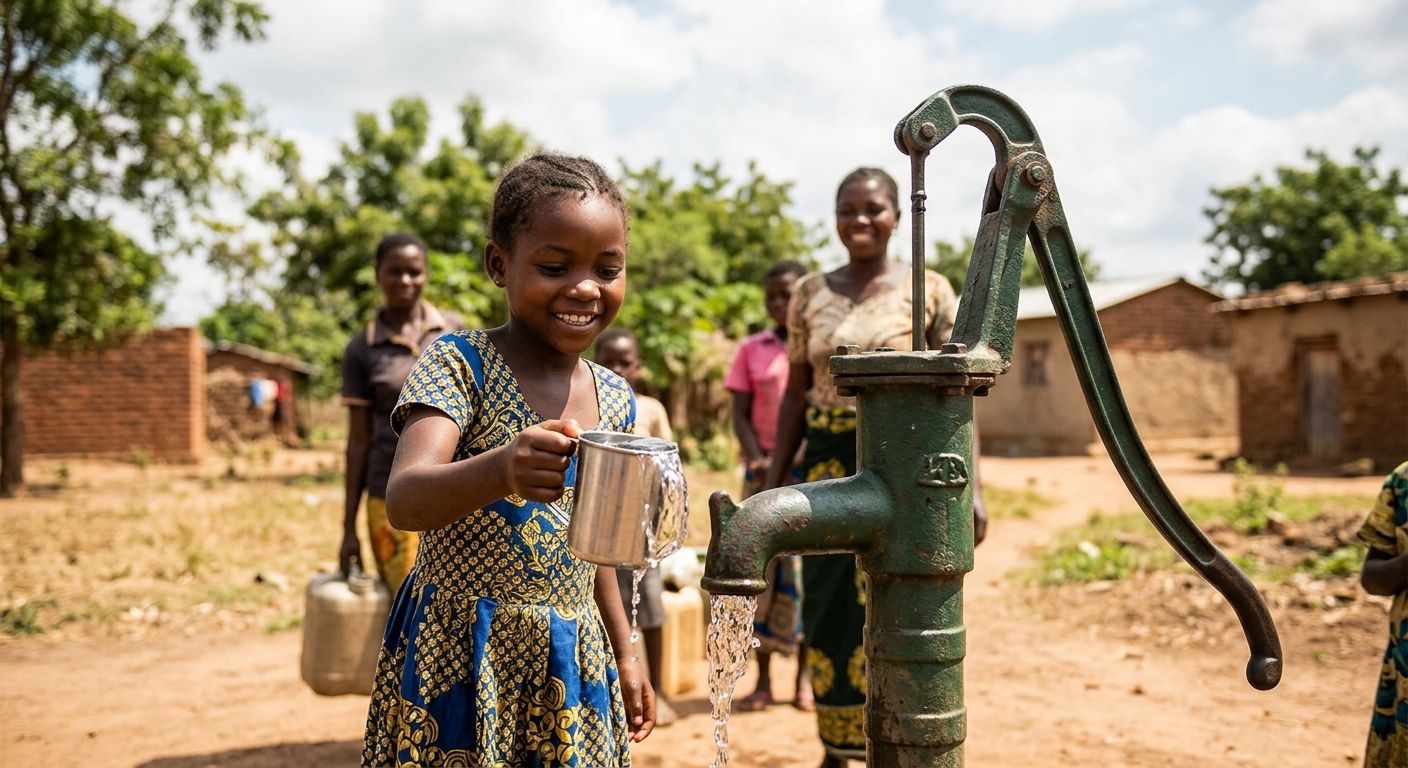
Rural water infrastructure research groups like the Rural Water Supply Network have long flagged that a meaningful share of handpumps in Sub-Saharan Africa sit non-functional at any given time, usually because maintenance and hygiene training never followed the drilling. That's why the church-partnered and training-first models on this list — neverthirst, Living Water International, Lifewater International — matter beyond the well count: a water charity organization that trains the people who live there to maintain the system is solving a different problem than one that just funds the drilling.