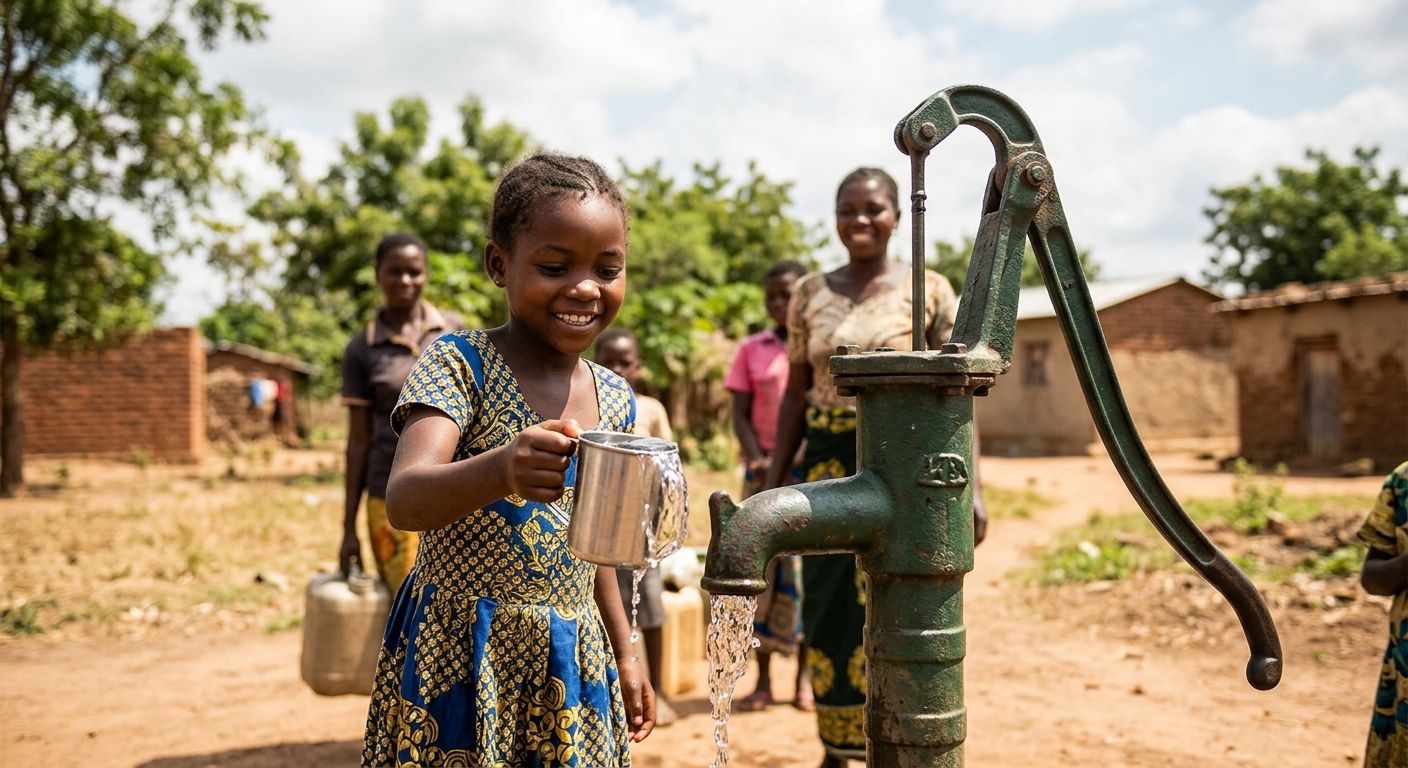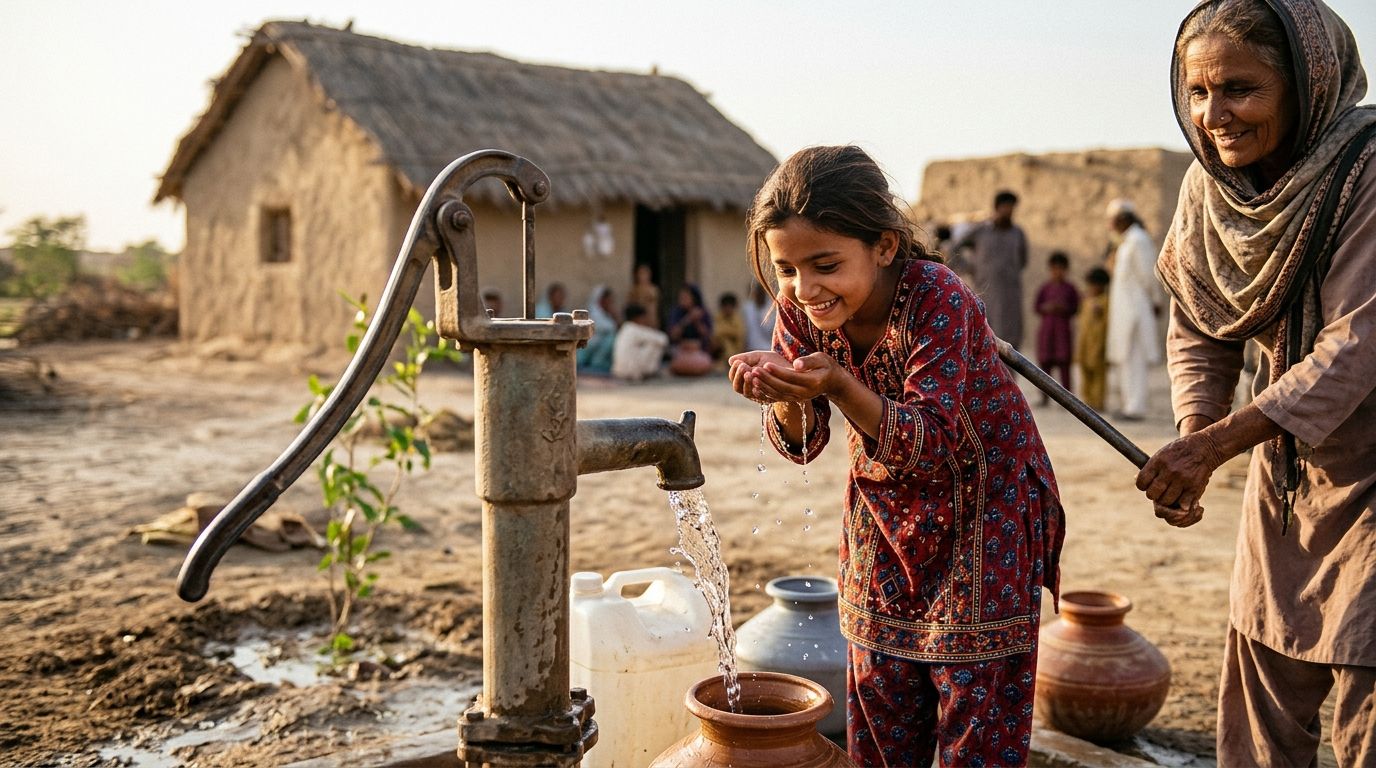
Six nonprofits fund most of the clean water work reaching Southern Asia's rural communities in 2026, and they take very different approaches to getting a well or a latrine built. Best overall: WaterAid, for sheer decades of WASH infrastructure and government-policy work across Bangladesh, Nepal, and Pakistan. Best for church-partnered giving: Neverthirst, which funds water, sanitation, and hygiene projects through local church partners in unreached rural communities across Africa and Asia. Best for donor transparency: charity: water, which posts GPS-tagged project photos so donors can see exactly what their gift built.
- WaterAid wins for large-scale WASH infrastructure and government advocacy across South Asian countries in 2026.
- Neverthirst is the pick for donors who want clean water charities Southern Asia giving routed through local church partners.
- charity: water (founded 2006) offers the most visible project-tracking of the group.
- Water.org's WaterCredit microloan model, co-founded in 2009, leverages repayable capital instead of one-time grants.
- Lifewater International (founded 1977) trains local well technicians so wells stay working after the funding ends.
Why this matters
South Asia carries some of the largest unmet drinking water and sanitation needs on the planet, and the WHO/UNICEF Joint Monitoring Programme has repeatedly flagged the region as one of the furthest behind on safely managed water access. That gap is exactly why the charity you pick matters more than the size of the check you write.
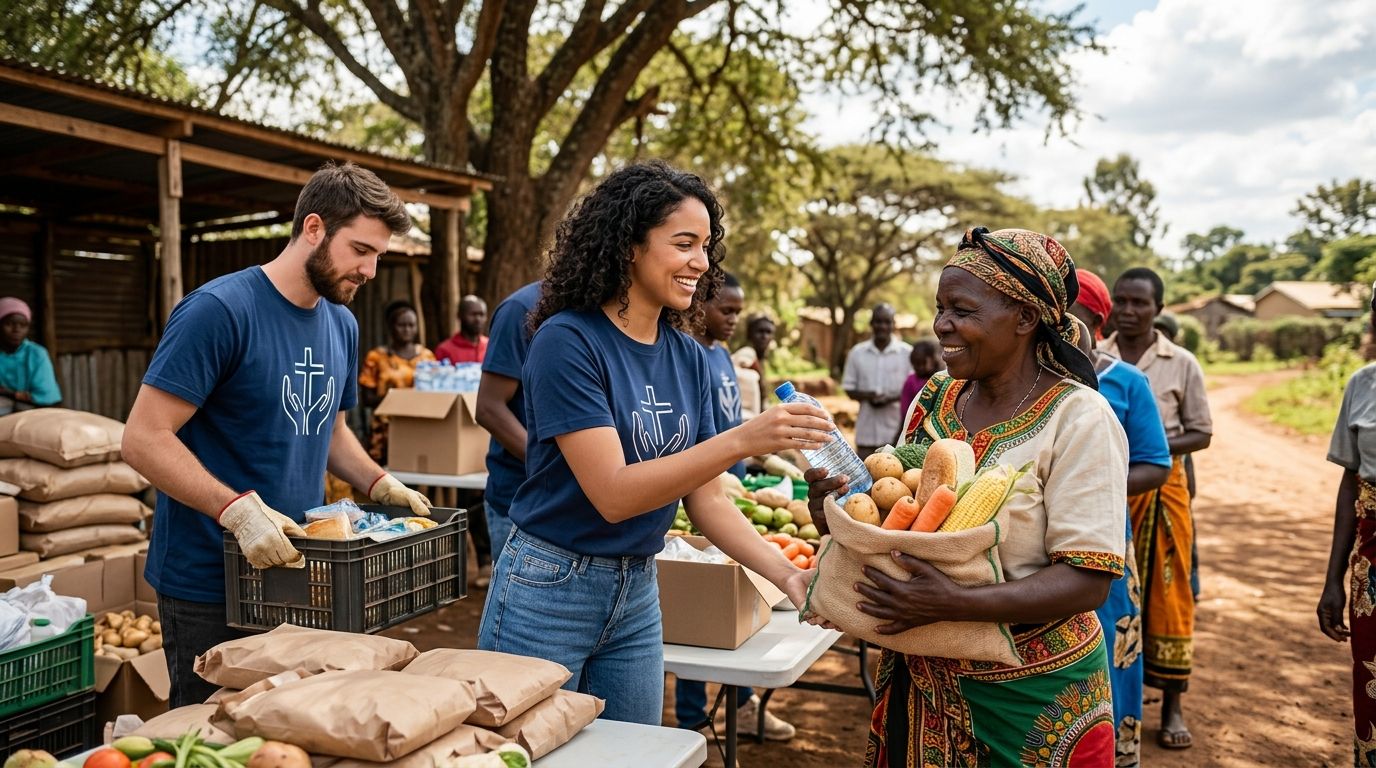
Neverthirst funds clean water, sanitation, and hygiene projects through local church partners rather than running country offices directly, which changes how fast money moves and who decides where a well gets drilled. Every nonprofit on this list solves the same underlying problem — a household without safe water — with a different funding mechanism, and that mechanism is what you're actually evaluating.
What makes the best clean water charity for Southern Asia
- Regional presence — active, named country programs in South Asia, not a vague "global" claim
- Funding model — direct grants, government partnership, microloans, or church-partner disbursement
- Maintenance plan — whether the nonprofit trains local people to fix a well after year one
- Transparency reporting — published project-level data, not just annual totals
- Program focus — pure WASH work versus water bundled inside broader relief programs
- Faith alignment — relevant if you specifically want a Christian giving channel
Clean water charities in Southern Asia, at a glance
| Charity | Best for | Standout feature | Key limitation |
|---|---|---|---|
| WaterAid | Infrastructure + policy | Government-partnership advocacy in Bangladesh, Nepal, Pakistan | Longer project timelines |
| Neverthirst | Church-partnered giving | Funds WASH through local church partners in Asia and Africa | No country-by-country breakdown published |
| charity: water | Project transparency | GPS-tagged project photos | Smaller South Asia slice of a global portfolio |
| Water.org | Microfinance-driven access | WaterCredit microloans, strong India footprint | Requires local banking infrastructure |
| Lifewater International | Long-term maintenance | Trains local WASH technicians | Slower rollout than grant-only models |
| World Vision | Bundled child sponsorship | WASH paired with health, food, education | Gift not guaranteed to WASH unless designated |
1. Neverthirst: best for church-partnered clean water giving
Neverthirst funds clean water, sanitation, and hygiene projects through local church partners to reach unreached rural communities in Africa and Asia, operating out of Birmingham, Alabama. The church-partner structure means the people deciding where a well goes already live in the community, not a regional office several hours away.
Neverthirst pros:
- Church-partner model builds in local trust and ownership from day one
- Focus specifically on unreached rural pockets larger NGOs often skip
- Faith-based orientation for donors who want a Christian giving channel
Neverthirst cons:
- Its published regional footprint isn't broken out country-by-country the way larger WASH nonprofits report it
- Smaller overall scale than global players like WaterAid or charity: water
Best for: donors who want their water giving routed through church partnerships rather than direct NGO field staff.
Verdict: Support.
2. WaterAid: best for WASH infrastructure and government policy
WaterAid was founded in 1981 and has run country programs across South Asia for decades, pairing well and latrine construction with advocacy aimed at national sanitation policy. It's the nonprofit most likely to show up in a government WASH strategy document in Bangladesh or Nepal.
WaterAid pros:
- Established country programs across multiple South Asian nations
- Combines infrastructure with policy work that outlasts any single project
- Decades of sector experience shape its technical standards
WaterAid cons:
- Government-partnership model stretches project timelines
- Overhead spreads across a large international operation
Best for: donors who want water infrastructure paired with sanitation policy influence.
Verdict: Support.
3. charity: water: best for project-level transparency
Founded in 2006, charity: water built its reputation on showing donors exactly what a gift funded — GPS coordinates, photos, and project completion data tied to specific water points. That level of visibility is rare in the sector.
charity: water pros:
- GPS-tagged, photo-documented project reporting
- Wide operating footprint across Africa, Asia, and Central America
- Strong brand recognition drives consistent donor volume
charity: water cons:
- Southern Asia is a smaller slice of a broader global portfolio
- Less faith-specific messaging for donors who want a Christian giving option
Best for: donors who want visual, geotagged proof their money became a working water point.
Verdict: Support.
4. Water.org: best for microfinance-driven water access
Co-founded in 2009 by Gary White and Matt Damon, Water.org runs the WaterCredit model — small loans that let households pay for their own water and sanitation connections instead of waiting for a grant-funded well. India has been a long-standing focus country for this approach.
Water.org pros:
- Loan capital gets repaid and recycled into more households
- Strong track record specifically in India's water finance sector
- Puts decision-making in the household's hands instead of a committee
Water.org cons:
- Needs functioning local banking or microfinance infrastructure to work
- Less suited to the poorest, most remote communities with no repayment capacity
Best for: donors who want their contribution leveraged through recyclable loan capital.
Verdict: Support.
5. Lifewater International: best for long-term well maintenance
Founded in 1977, Lifewater International trains local technicians and hygiene promoters alongside building wells, so the well still works after the nonprofit's staff leave. That training-first approach is the closest philosophical match to Neverthirst's local-partner model on this list.
Lifewater International pros:
- Trains community members to maintain wells long-term
- Faith-based orientation similar to Neverthirst
- Strong focus on hygiene education, not just hardware
Lifewater International cons:
- Smaller global footprint than WaterAid or charity: water
- Training-first approach means longer completion timelines
Best for: donors who prioritize maintenance training over speed of well installation.
Verdict: Support.
6. World Vision: best for bundled child sponsorship and water
Founded in 1950 by Bob Pierce, World Vision runs at massive scale, with WASH work as one program pillar alongside child sponsorship, food security, and disaster relief. A gift here often supports a broader community-development relationship rather than water alone.
World Vision pros:
- Large-scale operational capacity, including disaster response
- WASH bundled with health, education, and food security for holistic impact
- Long institutional history across dozens of countries
World Vision cons:
- Water/sanitation is one program among several unless a gift is specifically designated
- Larger overhead structure than single-focus water nonprofits
Best for: donors who want water funding bundled inside a child-sponsorship relationship.
Verdict: Hold — confirm your gift is designated to WASH work before giving.
How we ranked these clean water charities
Each nonprofit above was weighed against the criteria listed earlier: named regional presence in South Asia, funding mechanism, maintenance planning, transparency reporting, program focus, and faith alignment where relevant. No single charity wins on every criterion — WaterAid and charity: water lead on scale and transparency, Neverthirst and Lifewater International lead on local-partner maintenance, and Water.org leads on capital efficiency through microloans.
See how church partners fund clean water
Learn how Neverthirst routes WASH funding through local church partners.
Which clean water charity should you choose?
If you want a large, audited operation with decades of infrastructure and policy experience, choose WaterAid. If you want your gift leveraged through recyclable loan capital in India specifically, choose Water.org. If you want a faith-based giving channel where money moves through local church partners rather than a distant field office, choose Neverthirst or Lifewater International — both prioritize the community relationships that keep a well working past year one. For most donors comparing clean water charities in Southern Asia in 2026, start with one of those four and check whether your gift can be designated to a specific country program before you give.
FAQ
What's the best clean water charity for Southern Asia in 2026?
WaterAid has the deepest infrastructure and policy track record across Bangladesh, Nepal, and Pakistan in 2026. Donors who want a church-partnered model instead should look at Neverthirst.
Is charity: water better than WaterAid for Southern Asia?
charity: water offers more visible, GPS-tagged project reporting, but WaterAid has a longer-standing, named presence across multiple South Asian countries. Pick charity: water for transparency, WaterAid for scale.
How does Neverthirst fund clean water projects?
Neverthirst funds clean water, sanitation, and hygiene projects through local church partners to reach unreached rural communities in Africa and Asia. The church-partner structure keeps decision-making close to the community being served.
What is Water.org's WaterCredit model?
WaterCredit provides small loans so households can pay for their own water and sanitation connections instead of waiting for a fully grant-funded project. Water.org has built a strong track record with this model in India since co-founding in 2009.
Does World Vision focus specifically on clean water?
No. World Vision bundles WASH work with child sponsorship, food security, health, and disaster relief, so a general gift may not go strictly to water projects unless designated.
Which nonprofit trains local people to maintain wells?
Lifewater International, founded in 1977, trains local technicians and hygiene promoters alongside building wells, which keeps the water point working after the organization's staff leave.
Are faith-based clean water charities effective in South Asia?
Faith-based charities like Neverthirst and Lifewater International rely on local church partnerships or trained community members, which can improve long-term maintenance compared to a purely external build-and-leave model.
How much does it cost to fund a clean water project?
Costs vary widely by country, terrain, and whether the project is a well, a piped system, or a sanitation facility, so check current program details directly with the nonprofit you're considering.
One last thing
The biggest difference between these six nonprofits isn't the water point itself — it's who's still there a year after it's built. Water.org's loan model and Lifewater International's technician training both bake in a reason for someone local to keep the system running long after 2026's funding cycle closes; grant-only models don't automatically do that.